
Sleep Health & Disorders
Department of Psychiatry Partners with Sleep Disorders Center
At the University of Maryland, the Department of Psychiatry often makes referrals to the Sleep Disorders Center. We take a holistic approach to help patients who are struggling not only with mental health issues but also with sleep issues.
The Sleep Disorders Center will work with you to resolve any sleep issue that interrupts your normal sleep patterns. They’ll help you determine what’s causing your sleep problems, and they’ll develop a personalized treatment plan to ensure you get a good night’s sleep.
We’re Here to Help: Call 410-328-5881
If you’re struggling with mental health issues, the Department of Psychiatry is available to help you evaluate and address them. Call us at 410-328-5881 to schedule a consultation.
Since we are committed to caring for you as a whole person, we will also make any referrals as needed. For example, if you are having trouble sleeping or need treatment for a sleep disorder, we would refer you the University of Maryland Sleep Disorders Center.
About Sleep Disorders
Sleep disorders make it difficult or even impossible to get a good night’s sleep. Sleep deprivation can increase your fight-or-flight stress hormones, making you feel very stressed. It can also affect your concentration and ability to work, as well as your social life. Also, if left untreated, sleep disorders may result in serious conditions, including heart disease and stroke.
The sleep specialists can provide advanced treatment for sleep disorders, including:
- Insomnia (trouble falling asleep and staying asleep that may be temporary or chronic)
- Sleep apnea (trouble breathing while asleep)
- Narcolepsy and other neurological disorders
- Other sleep disorders
To determine your sleep disorder, you will meet with one of the sleep specialists and develop a treatment plan that suits your needs. Their specialists might recommend that you participate in a sleep study, which they offer at the Sleep Disorders Center.
Multidisciplinary Sleep Disorders Treatment Team
The University of Maryland Sleep Disorders Center treatment team features specialists from a broad range of medical disciplines, including pulmonology, psychiatry, and neurology. The principal team members are all on the faculty of the University of Maryland School of Medicine. They work together to provide the best possible care—for both adults and children.
What Is a Sleep Study?
A sleep study is extremely valuable for diagnosing and treating many sleep disorders, for both adults and children. The Sleep Disorders Center offers overnight sleep studies in their sleep lab to diagnose sleep-related disorders such as:
- Movement disorders
- Narcolepsy and other sleep disorders that cause extreme daytime tiredness
- Sleep apnea
- Sleep-related neurologic seizures
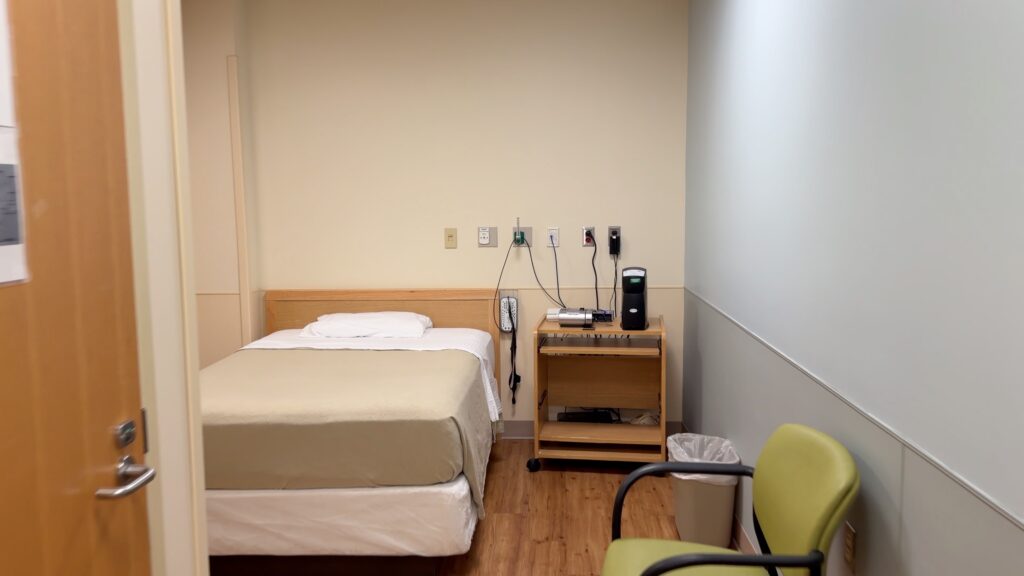
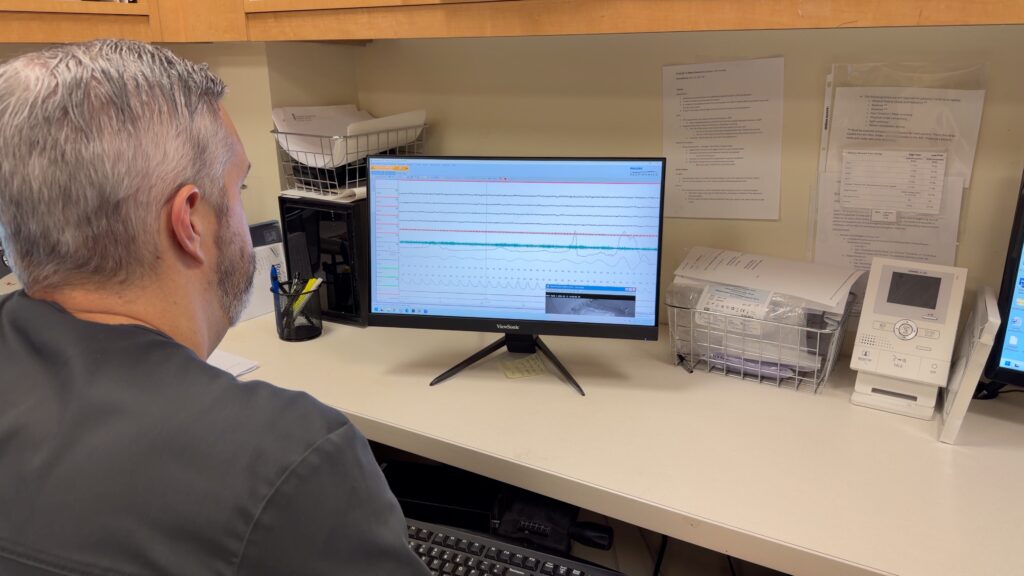
Each room is set up like a hotel, including a queen size bed and private bathroom with a shower. Technicians monitor your brain activity and vital signs during the night and are available if you need assistance.
Learn how to prepare for your sleep study and what to expect.
Do You Have a Sleep Disorder? Here’s What to Look For
Common signs of a sleep disorder may include:
- Difficulty falling asleep or staying asleep
- Excessive daytime sleepiness
- Frequent urination at night
- High blood pressure
- Irritability and moodiness
- Loss of energy
- Depression
- Loud and irregular snoring
- Morning headaches
- Obesity
- Poor concentration
If you’re experiencing these symptoms, please talk with your healthcare provider.
Ready to Take the First Step?
If you’re struggling with mental health issues, the Department of Psychiatry is available to help you. Call 410-328-5881.
Location
Walter P. Carter Center
701 W. Pratt Street
Baltimore, MD 21201